About Care Connect Kids
When my son needed speech therapy after his expander came out, I thought “It's actually a good thing we've tried so many therapy clinics over the years. Finding one for him is easy.” And then I caught myself. “If I didn't already have a child who needed ongoing therapy, I wouldn't know where to start. Google, I suppose.”
That parent — the one whose child needs therapy for the first time — has no idea that waitlists can stretch from months to over a year. They don't know to ask about insurance acceptance before falling in love with a clinic. They don't know that a therapist leaving can mean starting the whole search over from scratch.
I know, because I've been navigating this system for years.
My daughter was born with Down Syndrome. We knew before she arrived, so we had time to prepare — or so we thought. She spent 49 days in the NICU after birth, then came home for two weeks before being admitted to the PICU for open heart surgery and a g-tube placement for feeding. All that time in the hospital had an unexpected side effect: she forgot how to eat by mouth.
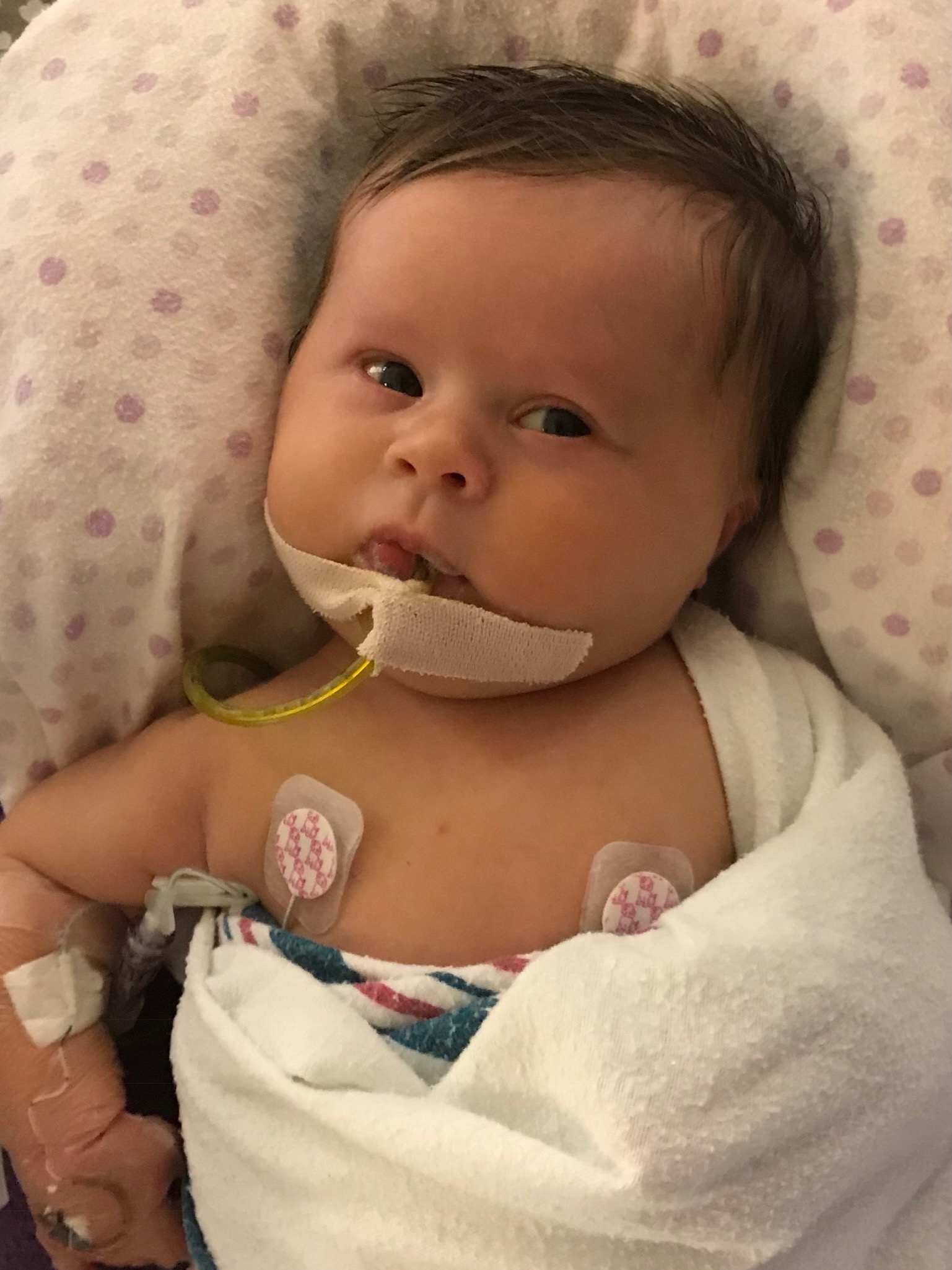
In the NICU
Feeding therapy started the day she was discharged. It took months, but she relearned how to drink from a bottle. The g-tube came out. She started at The Rise School of Austin — an inclusive preschool with therapists on staff — and worked with home health physical therapists to learn to walk using a gait trainer. Speech, occupational therapy, physical therapy, feeding therapy. She worked hard and the progress was real.
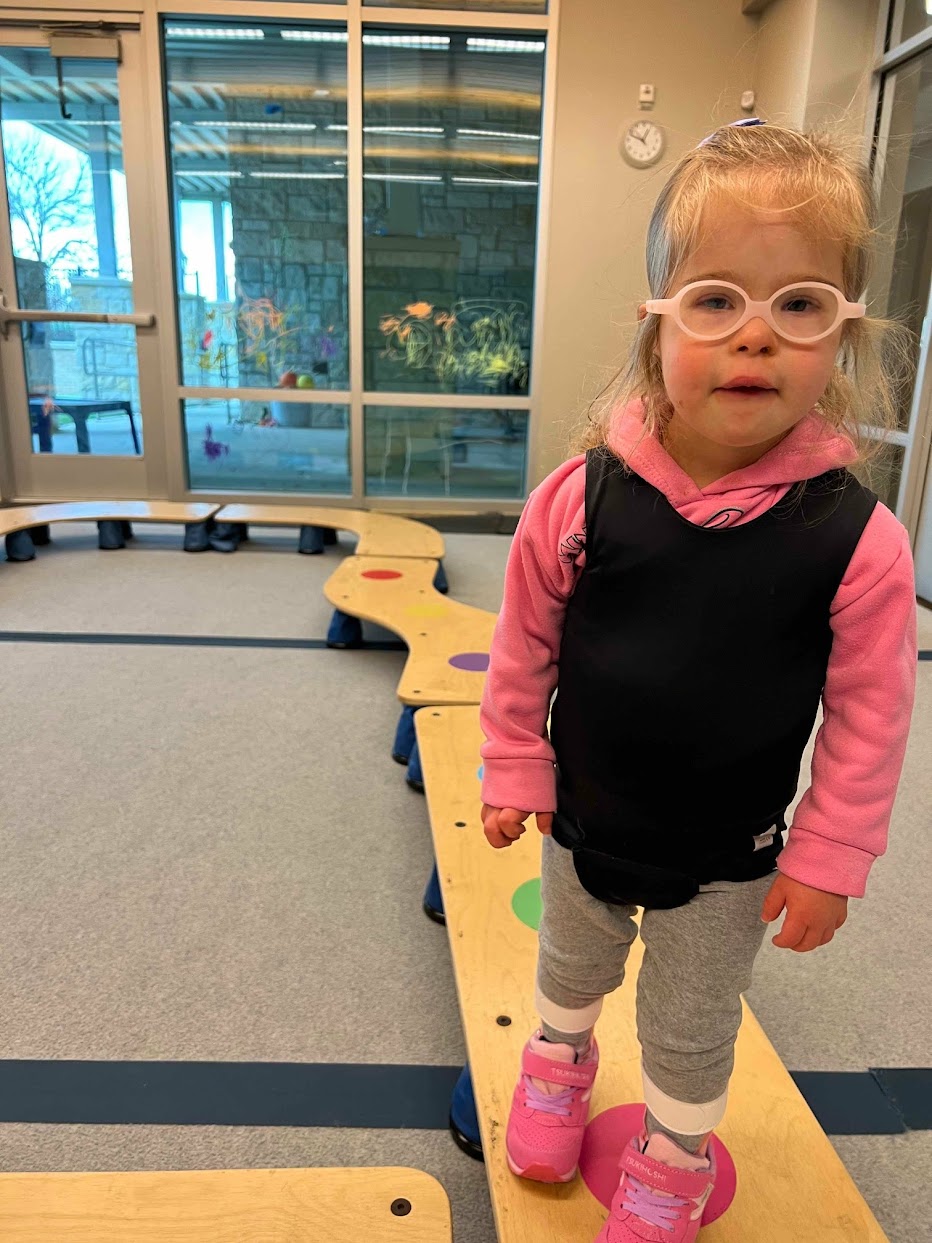
PT at The Rise School
Over the years, therapists left without ready replacements. Insurance changed and made continuing therapy financially difficult. Focus shifted — she dropped private physical therapy at age 6 to concentrate more on speech and feeding. Feeding is still our longest running challenge.
Every transition meant a new search. Every new clinic meant new paperwork, new intake forms, a child who had to acclimate to a new face. Every insurance change meant recalculating what was even possible.
Sitting in waiting rooms during her appointments, I'd overhear it from both sides — parents frustrated by cancellations and miscommunications, front office staff juggling schedules with no good tools. “It shouldn't be this hard,” I'd think on the drive home. “It doesn't have to be this hard.”
I started out as a mechanical engineer in aerospace, working on commercial and military gas turbine aircraft engines. Then I switched to software and spent years building products and design systems for big companies. In 2025, the tools finally caught up with the problem I kept turning over on those drives home — one person could now build what used to take a whole team. So I quit my job and started building full time.
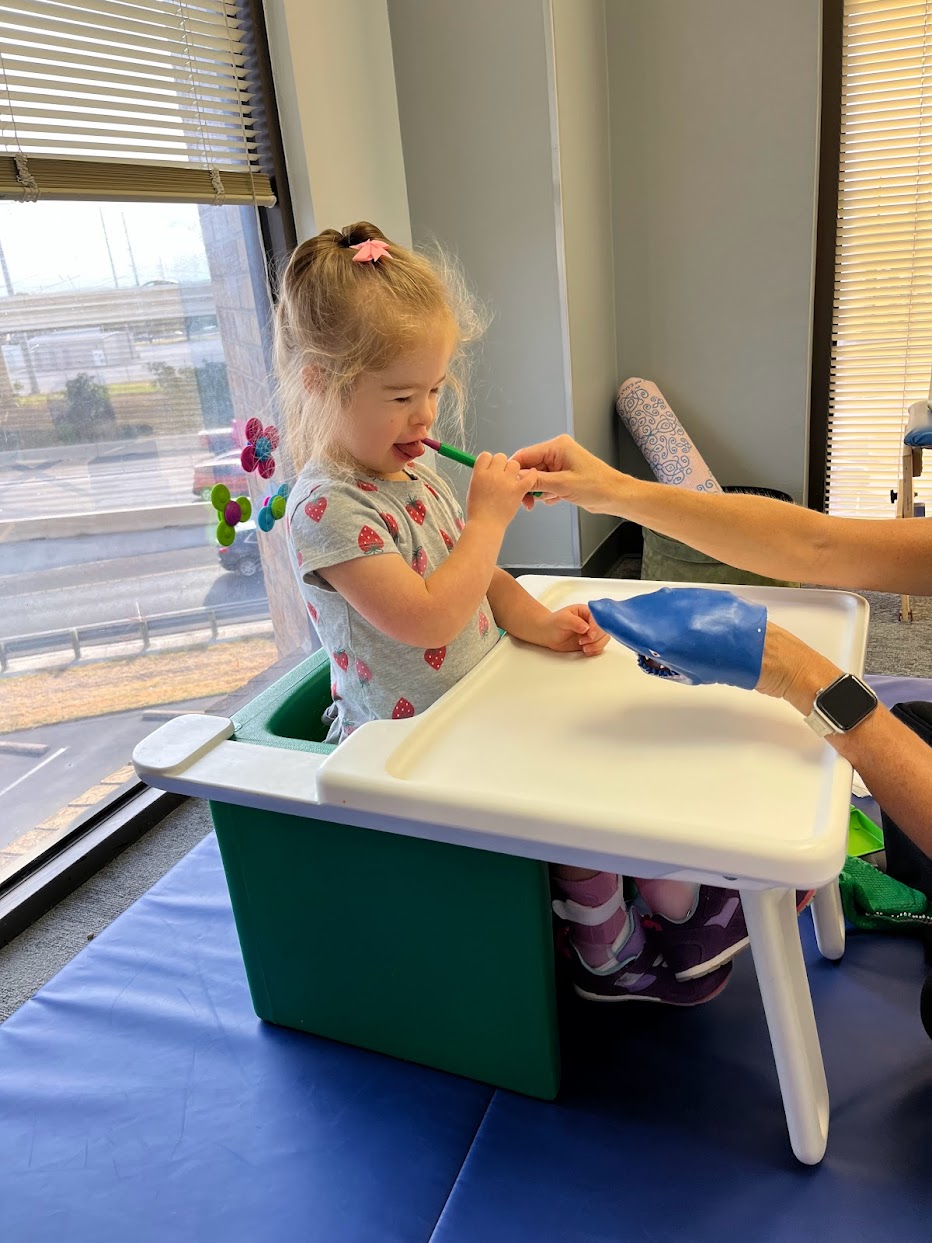
Feeding therapy
Care Connect Kids is what I wished existed every time I started a search from zero. If you're in the middle of that search right now — I see you. I've been there. This is the tool I built for both of us.
— Erika Davis, mom and founder
Currently serving families across the Austin, Texas metro.
Not sure if that includes you? Check your zip code.